Roofers Insurance

  • Insurance options for roofers, roof tilers, metal roof installers, roof plumbers and roofing contractors
  • Cover options for residential, commercial, installation, repair, restoration and maintenance work
  • Compare quotes fast and get instant documents once cover is arranged
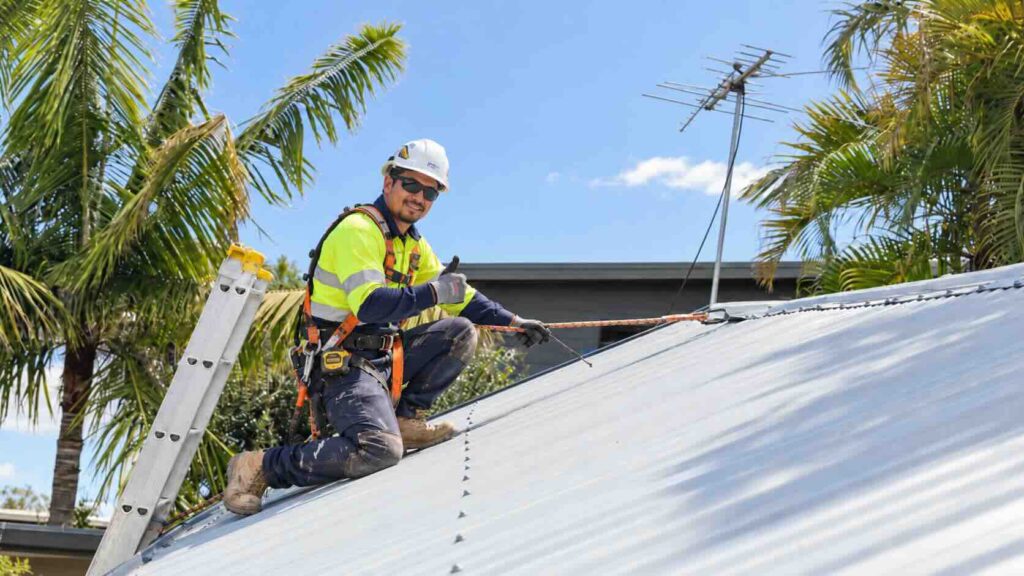
Insured roofer on a metal roof wearing full PPE

Contractor Specialists

20+ years of experience working with contractors

270k Businesses Covered

Trusted by businesses Australia-wide

All Policies, One Place

Cover from public liability to general property and beyond

Compare Options

And get documents fast once cover is arranged

Insurance broker pointing at a contractor professional indemnity insurance contract

What Is Roofers Insurance?

Roofers insurance is a general term for insurance products that may be relevant to roofers, roof tilers, metal roofing contractors, roof plumbers, roofing repair businesses and other contractors working on residential and commercial roofs.

Roofing work can involve working at height, using tools and equipment, handling roofing materials and working around a client’s building and property. Depending on the cover arranged, insurance may assist with risks such as:

  • Claims that roofing activities caused injury to a customer, contractor or member of the public
  • Claims that roofing work accidentally damaged a client’s home, commercial building or other third-party property
  • Loss or damage involving insured roofing tools, power tools and portable equipment
  • Loss or damage involving insured business contents, stock and other business property
  • Loss of income where an insured sole trader or eligible business operator cannot work because of a covered injury or illness
  • Work-related injuries or illnesses involving eligible employees where Workers Compensation applies
  • Management, statutory and other business risks where the relevant cover has been selected

The cover available will depend on the policies selected, the roofing work performed, business structure, insurer acceptance, policy limits, conditions and exclusions.

What Insurance Does a Roofer Need?

Roofers can face risks involving third-party injuries, accidental property damage, tools and equipment, business property, workplace injuries and periods where an injury or illness prevents the business owner from working. The insurance products that may be relevant will depend on your roofing activities, project types, employees, subcontractors, business assets and contractual requirements.

Public Liability

Public Liability Insurance is designed to protect a business where a customer, supplier or member of the public claims that the business's negligent activities caused them personal injury or damage to their property. For roofers, this may be relevant if roofing materials, tools or work activities cause injury or damage to third-party property. For a covered claim, the policy may respond to compensation the roofing business is legally liable to pay and associated legal and defence costs. Public Liability Insurance is not generally intended to cover the cost of correcting faulty workmanship itself. The circumstances of any resulting injury or property damage would need to be assessed against the relevant policy terms, conditions, exclusions and limits.

Business Insurance

A Business Insurance Package combines multiple business cover options into one customisable policy. It is designed to protect a business against a range of property, asset, financial and liability risks. Depending on the covers selected, a roofing business may be able to insure business contents, roofing tools, portable equipment, stock, electronic equipment, business interruption, theft, goods in transit and other business risks. Public & Products Liability is generally included as the base cover within the current Business Insurance Package structure, with other sections available depending on the insurer and policy.

Portable Equipment / General Property

Portable Equipment Insurance, also known as General Property Insurance, is designed to cover eligible portable business property against loss or damage caused by insured events. For roofers, this may include eligible power tools, hand tools, testing equipment, ladders, portable machinery and other equipment regularly transported between home, vehicles, workshops and job sites. Depending on the policy, insured events can include theft, fire and other events specified in the policy wording.

Personal Accident & Illness

Personal Accident & Illness Insurance can provide a weekly income benefit when an insured person is unable to work for a specified period because of an accidental injury or illness and has been medically certified as unable to work. It is designed to help self-employed people, sole traders and other eligible business operators manage the financial impact of being unable to earn their usual income. Depending on the cover selected, benefits may also be available for death, disablement and certain ongoing business expenses.

Workers Compensation

Workers Compensation Insurance is a statutory form of insurance designed to provide benefits to eligible employees who suffer a work-related injury or illness. Depending on the relevant state or territory scheme, benefits can include medical and treatment expenses, rehabilitation expenses, wage replacement or weekly payments and lump-sum benefits in certain circumstances. Requirements, worker definitions, insurers and schemes differ between Australian states and territories.

Management Liability

Management Liability Insurance is designed to protect a business and the people responsible for managing it against claims arising from actual or alleged wrongful acts connected with the management of the business. Depending on the policy, cover can include Directors & Officers Liability, Company Reimbursement, Corporate or Entity Liability, Employment Practices Liability, Crime or Fidelity, Statutory Liability and Tax Audit cover. This may be relevant to roofing businesses with directors, employees and broader business management responsibilities.

Tax Audit

Tax Audit Insurance is designed to cover specified professional costs incurred when a business responds to an official audit or investigation by the Australian Taxation Office. Subject to the policy wording and cover limit, it may reimburse eligible accountants', tax agents' or other approved professional fees incurred because of the audit. Tax Audit Insurance generally does not cover the underlying tax liability, tax shortfalls or fines imposed by the ATO.

Disclaimer: General information only. Cover options, limits, benefits and exclusions vary by insurer, policy wording, business activities, disclosures and underwriting acceptance. Please review the relevant policy documents before deciding whether cover is suitable for your circumstances.

What Can Business Package Insurance Cover?

Running a roofing business can involve more than the work you do on the roof. You may also have power tools, ladders, portable equipment, roofing materials, stock, electronic equipment, a workshop or other business property to look after.

Business Package Insurance lets you combine a range of cover options in one policy, depending on your roofing activities, business property, needs and the insurer’s requirements.

Cover options may include:

  • Public & Products Liability

  • Building Insurance

  • Business Contents & Stock

  • Business Interruption

  • Tools & Portable Equipment / General Property

  • Theft

  • Glass

  • Money

  • Goods in Transit

  • Machinery Breakdown

  • Electronic Equipment Breakdown

  • Tax Audit

For a roofing contractor, these options may help address risks involving tools and equipment taken between job sites, roofing materials in transit, stock or equipment kept at a workshop, and interruption to business following an insured event.

Depending on the insurer, additional Business Package sections may include Employment Practices Liability, Employee Dishonesty and Statutory Liability. Management Liability is generally arranged as a separate insurance product rather than being treated as a Business Package section.

Not every roofing business needs every section, and not all covers are automatically included. The cover selected should reflect the roofing work carried out, the property and equipment used, how the business operates and the risks it faces.

Available cover options, combinations and limits vary between insurers and policies. Some sections may require another cover section to be selected. Cover is subject to policy terms, conditions, limits, excesses and exclusions.

This information is general only and does not take into account your objectives, financial situation or needs. Consider the relevant policy wording or Product Disclosure Statement and, where applicable, Target Market Determination before deciding whether a product is right for you.

Why Choose Contractor Cover?

  • Specialist contractor insurance: Cover options for roofers, roof tilers, metal roofing contractors, roof plumbers, sole traders and small roofing businesses.
  • Fast quotes and instant documents: Arrange eligible cover online and receive proof of insurance quickly, subject to insurer acceptance and payment.
  • Flexible cover for your work: Compare available options based on your roofing activities, business structure, project requirements and insurer criteria.
  • All policies in one place: Access options including Public Liability, Business Insurance, Portable Equipment / General Property, Personal Accident & Illness, Management Liability and more.
  • Australian-based support: Speak with a local team by phone or email when you need more information about available options.
Contractor Cover insurance broker with a man in hi vis

How Much Does Roofers Insurance Cost?

The cost of roofers insurance varies depending on the roofing work you perform, annual turnover, project types, employees and subcontractors, claims history, tools and equipment and the cover options selected. There is no single price that applies to every roofer. Insurers assess the activities and risks of each business before calculating a premium.

What Affects Your Premium

Several factors can influence the cost of roofers insurance. These may include the type of roofing work undertaken, the size and value of projects, where the work is performed, the number of employees or subcontractors, the value of tools and equipment and the limits and cover types selected.

Type of Roofing Work Roof tiling, metal roofing, roof plumbing, roof repairs, roof restoration, guttering, flashing, re-roofing and other roofing activities can involve different risks and may be assessed differently by insurers.
Annual Turnover The annual turnover of the roofing business can affect underwriting and pricing because it can indicate the overall scale and volume of work being performed.
Employees & Subcontractors Employing roofers, apprentices, labourers or administration staff, or engaging subcontractors, can change the risk profile and insurance requirements of the business.
Project Types & Work Sites Residential homes, commercial buildings, industrial premises, construction sites and larger roofing projects can involve different exposures and contractual requirements.
Tools & Equipment The value and type of power tools, hand tools, ladders, portable equipment and other insured business property can affect the amount of Portable Equipment / General Property cover selected.
Cover Types & Limits Public Liability limits, together with Business Insurance, Portable Equipment / General Property, Personal Accident & Illness, Management Liability and other selected options, can influence the final premium.
Claims History Previous Public Liability, property, tools or other insurance claims and known circumstances may affect pricing as insurers assess the likelihood and potential cost of future claims.

Comparing Cover Options

Roofers often compare different policy types and cover limits depending on their roofing activities, project sizes, client requirements, head contractor conditions, business structure and the value of their tools and equipment.

Public Liability
$5M $10M $20M

Professional Indemnity
$1M $2M $5M

Common Add-On Cover Options
Business Insurance Portable Equipment / General Property Personal Accident & Illness Workers Compensation Management Liability Tax Audit

When comparing your options, consider:
  • Client, head contractor, licence, tender or site-access insurance requirements
  • Whether you perform roof tiling, metal roofing, roof plumbing, restoration, repairs, guttering or other roofing work
  • The size, type and value of the residential or commercial projects your business works on
  • The value of tools, portable equipment, stock and other business property
  • Whether your equipment is regularly transported between vehicles, workshops and job sites
  • Whether you employ roofers, apprentices, labourers or other workers
  • Whether you operate as a sole trader, partnership or company and regularly engage subcontractors

Premiums are subject to individual underwriting, insurer acceptance and policy terms, conditions, limits and exclusions.

How to Get Roofers Insurance

Provide your business details, compare available insurance options and receive your documents once cover has been arranged. 01 Step 1

01
Step 1

Provide Your Business Details

Tell us about your roofing services, annual turnover, project types, employees, subcontractors, business structure, tools and equipment and any contractual or licensing requirements that apply to your work.

02
Step 2

Compare Available Cover

Compare available Public Liability, Business Insurance and other insurance options and limits against your roofing activities, project requirements, business structure and insurer criteria.

03
Step 3

Receive Your Documents

Once cover has been arranged and payment completed, your Certificate of Currency and relevant policy documents can be issued electronically.

Fast online quotes
Electronic policy documents
Australian-based support
Compare available options

Cover is subject to insurer acceptance and the relevant policy terms, conditions, limits and exclusions.

State-by-State Insurance Requirements for Roofers

Insurance and licensing requirements for roofers in Australia vary according to the state or territory, the type of roofing work performed and the value and nature of the project. Roof tiling, roof plumbing, metal roofing and broader residential building work can be regulated differently.

There is no single Public Liability Insurance requirement that applies to every roofer throughout Australia. Public Liability may instead be required through a trade licence, building contract, head contractor, tender, construction site or other commercial arrangement.

Roofing businesses employing eligible workers should also check the Workers Compensation requirements that apply in the relevant state or territory.

Last reviewed: September 2026.

Note:

Requirements vary depending on the type of roofing work, licence held, contract value, project type, business structure and whether employees or subcontractors are engaged. Roof tiling, roof plumbing and general building work should not be assumed to have the same licensing or insurance requirements. This information is general only and should not be relied on as legal, licensing or compliance advice. Confirm current requirements with the relevant state or territory building, plumbing and Workers Compensation regulator before commencing work.

Roofing work in the ACT may fall within building, plumbing or other regulated construction work depending on the activities being performed.

For certain residential building work, residential building insurance or an approved fidelity fund certificate can be required before work begins. The requirements depend on the type and value of the project and whether the roofing business is carrying out work as a licensed builder.

Roofing contractors should also check whether separate construction occupation or plumbing licensing requirements apply to their particular roofing activities.

Roof tiling and roof plumbing are regulated categories of trade work in New South Wales. A contractor licence is required for relevant residential building or trade work where the labour and materials exceed the applicable licensing threshold.

Licensed builders and tradespeople carrying out home building projects above the Home Building Compensation threshold may also need project-specific Home Building Compensation cover before accepting payment or starting work.

Roofers should check the requirements applying to the exact type and value of work being contracted, together with any Public Liability conditions imposed by clients, head contractors or construction sites.

Roofing requirements in the Northern Territory depend on whether the work forms part of regulated residential building work, plumbing work or another licensed construction activity.

Certain residential building projects can require a registered building contractor, building contract and Fidelity Fund insurance. Whether these requirements apply to a roofing project depends on the work being undertaken and the relevant building rules.

Employers in the Northern Territory must also consider compulsory Workers Compensation requirements for workers covered by the territory’s scheme.

Roof tiling is a licensed trade regulated by the Queensland Building and Construction Commission. Roof plumbing and related plumbing activities can be subject to separate licensing requirements.

The Queensland Home Warranty Scheme applies to eligible residential construction work where the work falls within the scheme and exceeds the applicable value threshold. Roofing contractors should check whether the exact project is insurable residential construction work before work begins.

Clients, builders and construction sites may also specify Public Liability and other insurance requirements as part of a contract or site-access arrangement.

Individuals and businesses carrying out or organising building work for others in South Australia generally need the appropriate building work contractor’s licence. This can include contractors carrying out roofing and other trade work.

Building Indemnity Insurance is required for eligible domestic building work where the work requires development approval and meets the applicable project value threshold. The insurance must be arranged before relevant work begins.

Roofing contractors should check their licence conditions and whether Building Indemnity Insurance applies to the particular residential roofing project.

Roof tiling itself is not currently listed as a regulated occupational licence in Tasmania. Different requirements apply where the roofing work includes licensed plumbing, roof drainage or building work.

Licensed plumbing contractors are required to maintain insurance meeting the applicable Public Liability and Products Liability requirements. Building licence holders can also be subject to specific Public Liability and Contract Works insurance requirements.

Roofers should therefore check whether the work they undertake falls within roof tiling, roof plumbing, building work or another regulated category before determining which licensing and insurance rules apply.

Victorian roofing businesses should check whether their work falls within regulated building work, roof plumbing or another registered trade category. Roof plumbing is subject to plumbing registration and licensing requirements.

From 1 July 2026, Home Warranty insurance applies to eligible major domestic building contracts valued above the applicable threshold for homes covered by the Victorian scheme.

Whether a particular roofing contract falls within these requirements depends on the scope of work, contract structure and registration category. Roofing contractors should confirm the requirements applying to the individual project before starting work.

Roofing work in Western Australia can fall under different registration and licensing arrangements depending on whether the contractor is carrying out roof plumbing, building work or another regulated activity.

Home Indemnity Insurance is required for eligible residential building work where the project falls within the Western Australian scheme and exceeds the applicable value threshold. Builders must arrange the required insurance before accepting payment or commencing covered work.

Roofing businesses employing workers must also maintain Workers Compensation Insurance where required under Western Australian workers compensation legislation.

Types of Roofers This May Be Suitable For

Roofers insurance may suit sole traders and roofing businesses performing installation, replacement, repair, restoration and maintenance work on residential and commercial properties.

  • Roof Tilers

  • Metal Roofing Contractors

  • Roof Plumbers

  • Roof Repair Contractors

  • Roof Restoration Businesses

  • Guttering & Downpipe Contractors

  • Residential & Commercial Roofing Businesses

About Contractor Cover

Contractor Cover is the one-stop insurance shop for contractors across Australia.

We help contractors, subcontractors and small businesses compare commonly arranged business insurance options in one place. Choose from available cover types and limits based on your trade, business activities and contract requirements, subject to insurer acceptance, policy terms, conditions, limits and exclusions.

Call our team today at 1300 438 268 for more information or fill in our easy online quote form.

270k+ businesses covered

20+ years of experience

Contractor insurance specialists

Contractor Cover broker shaking a contractor's hand

Meet the Contractor Cover Team

At Contractor Cover, we’re proud to have a dedicated executive team that brings decades of experience, strategic insight, and an unwavering commitment to supporting Australian contractors.

John Elliott

John Elliott

Chief Executive Officer
View bio

John Elliott is the founder of Elliott Insurance Brokers, the business behind Contractor Cover. With nearly 20 years of insurance industry experience, John helps guide the business with a focus on practical cover, reliable service and clear support for Australian contractors.

Rachael Milne

Rachael Milne

Chief Financial Officer
View bio

Rachael Milne joined Elliott Insurance Brokers in 2012 and supports the systems, planning and financial structure behind Contractor Cover. Her work helps the business operate smoothly while supporting clear, reliable insurance services for contractors Australia-wide.

Kris Wright

Kris Wright

Head of Technology
View bio

Kris Wright supports Contractor Cover through technology, systems and process improvement. His work helps keep the online quote experience simple, organised and efficient, making it easier for contractors to compare cover options and access documents quickly.

Tim Stingers

Tim Stingers

Insurance Broking Team Leader
View bio

Tim Stingers brings more than a decade of insurance experience, with a strong focus on trades and construction. His knowledge helps support contractor-focused cover options for tradies, subcontractors and small construction businesses.

FAQs

There is no single insurance rule that applies to every roofer throughout Australia. Requirements depend on the roofing work performed, state or territory, licence held, business structure and individual project or contract conditions.

Public Liability Insurance is commonly relevant to roofing businesses because their work can create third-party injury and property damage exposures. Other insurance requirements may arise through licensing rules, residential building schemes, head contractors, tenders or construction site requirements.

Public Liability Insurance is not subject to one national rule requiring every roofer in Australia to hold the same policy or limit.

However, Public Liability can be required under particular state licensing arrangements, contracts, head contractor requirements, tenders or site-access conditions. Roofers should check the requirements applying to the exact work and location before starting a project.

The Public Liability limit required for a roofing business can depend on client contracts, head contractor conditions, licence requirements, tender documents and the type of projects being undertaken.

Common limits available in the market include $5 million, $10 million and $20 million. The availability and suitability of a particular limit will depend on the insurer, policy and requirements applying to the roofing business.

Public Liability Insurance may respond to certain claims where negligent roofing activities cause damage to property belonging to a customer or another third party.

For example, a claim could potentially arise if roofing materials, equipment or work activities accidentally damage another part of a client’s property. Whether a particular incident is covered depends on the circumstances, policy wording, limits and exclusions.

Public Liability Insurance generally does not cover the cost of correcting faulty workmanship itself.

Where faulty work results in separate third-party property damage or personal injury, the resulting claim may need to be assessed under the Public Liability policy. Cover is not automatic and depends on the circumstances, policy wording, exclusions and limits.

Portable Equipment Insurance, also known as General Property Insurance, may cover eligible roofing tools and portable business equipment against loss or damage caused by insured events.

Depending on the policy, this may include theft, fire and other insured events involving eligible power tools, hand tools and portable equipment. Limits, security requirements, insured events and exclusions vary between policies.

Personal Accident & Illness Insurance can provide a weekly income benefit where an insured person is medically certified as unable to work for the required period because of an accidental injury or illness.

This can be relevant to sole traders and other eligible self-employed roofers whose income depends on their ability to physically perform roofing work. Waiting periods, benefit periods, limits and exclusions depend on the cover selected.

Roofing businesses with eligible employees may have Workers Compensation obligations under the relevant state or territory scheme.

Workers Compensation is separate from Public Liability and Personal Accident & Illness Insurance. Worker definitions can also extend beyond standard full-time employees in some circumstances, so businesses using apprentices, casual workers or subcontractors should check the applicable scheme rules.

Portable Equipment Insurance, also known as General Property Insurance, is designed for eligible portable business property that may be taken away from the main business premises as part of normal work.

For a roofer, this may include eligible tools and portable equipment transported between home, vehicles, workshops and job sites. The circumstances in which equipment is insured, including theft from vehicles, depend on the relevant policy terms, security conditions, limits and exclusions.

A Business Insurance Package can combine Public & Products Liability with selected property, equipment, financial and other business covers.

Depending on the policy, optional sections can include Building, Business Interruption, Contents, Electronic Equipment, Portable Equipment / General Property, Employee Dishonesty, Employment Practices Liability, Glass, Goods in Transit, Machinery Breakdown, Money, Statutory Liability, Tax Audit and Theft.

A Certificate of Currency is evidence that an insurance policy is current on the date shown.

Clients, builders, principal contractors, construction companies, tender authorities and other organisations may request a Certificate of Currency as evidence that a roofing contractor holds Public Liability or another insurance policy.

You should review your insurance at renewal and whenever your roofing business changes. This helps ensure the activities and circumstances disclosed to the insurer still reflect the work being performed.

Common review triggers include:

  • Adding roof plumbing, restoration, metal roofing or another new roofing service
  • Hiring roofers, apprentices, labourers or other employees
  • Increasing annual turnover or taking on larger projects
  • Buying additional tools, equipment, machinery or stock
  • Starting commercial, industrial or other types of roofing work
  • Taking on a contract, tender or construction site with different insurance requirements

We take your privacy seriously. Your information is collected, stored and used to arrange insurance, issue documents, support your policy and assist with claims.

You may view our full privacy policy at any time for more information about how personal information is collected, used, disclosed and protected.

Have a question?

To get started with your business insurance, request an online quote for your occupation. If you cannot see your occupation or require cover for specialist roofing activities, contact our team for more information.

  • Quick quotes
  • Upgrading or downgrading your policies
  • Updating your contact and disclosure information
  • Policy cancellations
  • General information and claims support

Office Hours

Mon - Fri: 8:30am - 7:00pm WSTSat: 9:00am - 5:00pm WST

Email Us

info@contractorcover.com.au

Call us

1300 438 268

    Let's Get You to the Right Quote Form

    Different business types need different quote pathways. Choose the option that best fits the work you do.

    Contractor Cover

    Professional, Consultant
    or Other Contractor

    For consultants, IT contractors, project managers, designers, advisors and other non-trade professional services across a wide range of industries.

    Contractor Quote

    You will be directed to business.contractorcover.com.au

    All Trades Cover

    Trades, Builders,
    Mining or Industrial

    For trade-based businesses, builders, contractors, mining services, civil, construction, plant, installation, maintenance and industrial work.

    Trade Quote

    You will be directed to alltradescover.com.au/get-a-quote